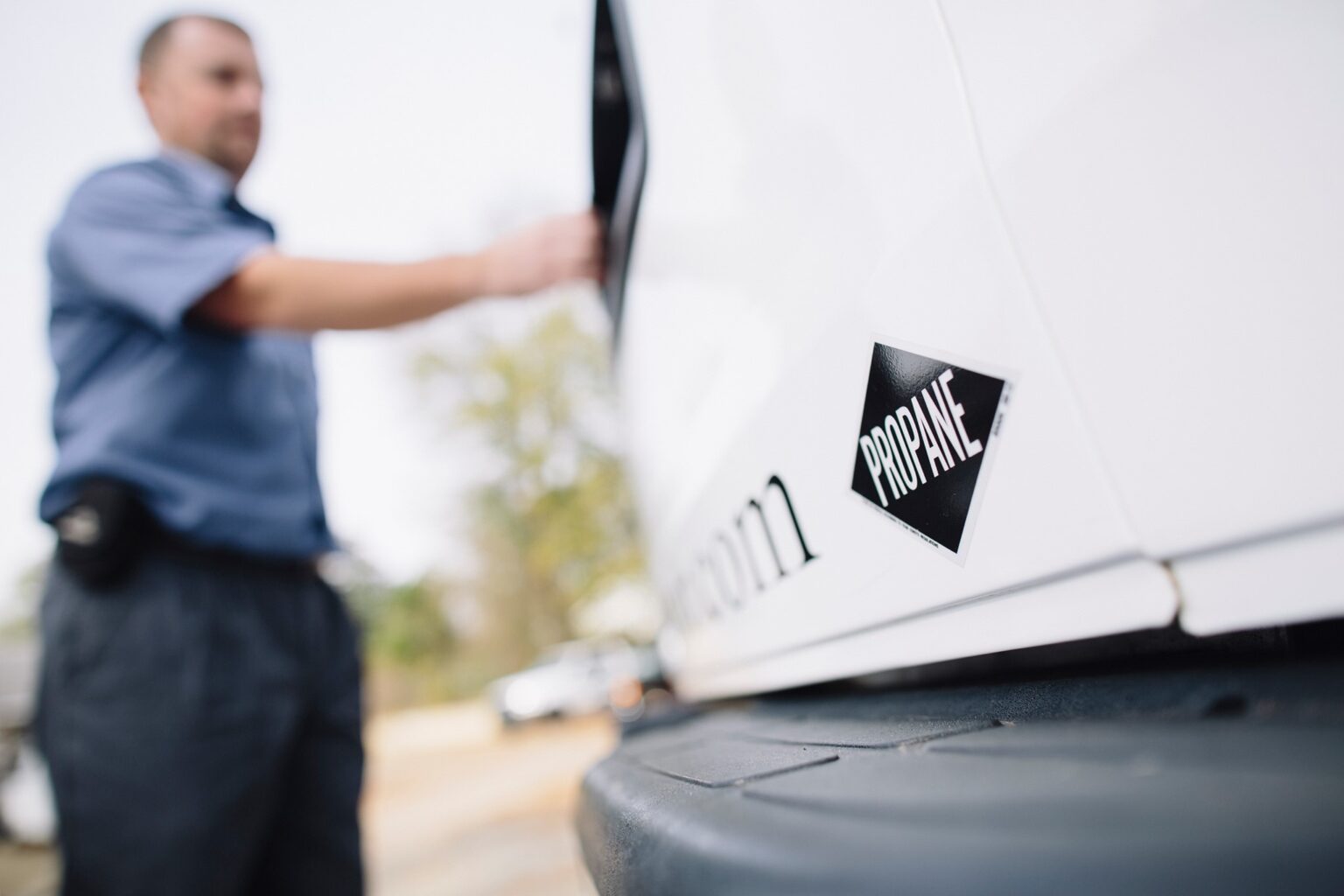
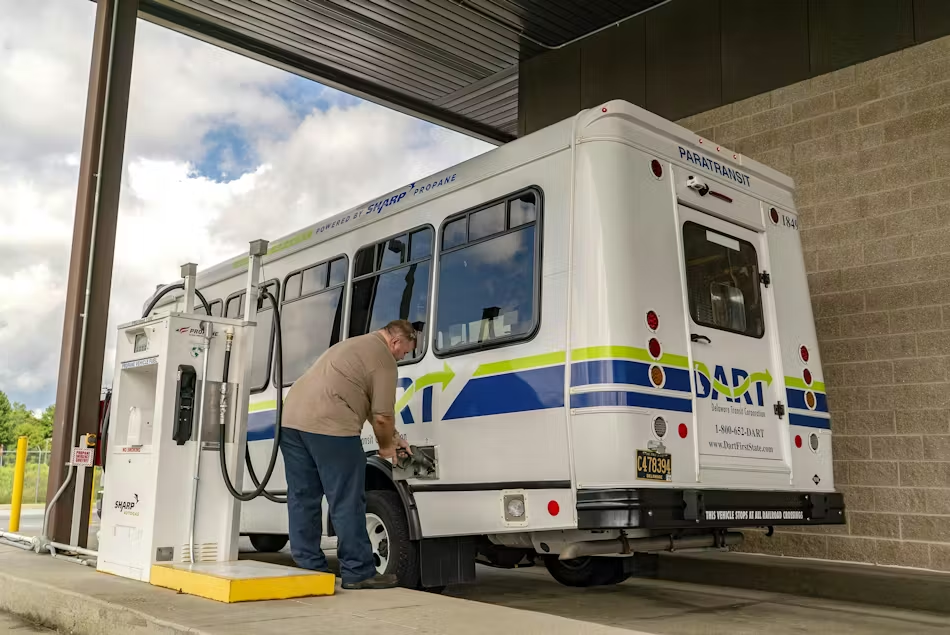
In today’s rapidly changing energy landscape, choosing the right fuel isn’t just about cost, it’s about resilience, reliability, and long-term operational stability. For fleet owners and managers, fuel decision-making directly impacts uptime, maintenance costs, environmental impact, and even emergency preparedness. That’s why fuel matters, and why autogas stands out as a proven solution for fleet resilience.
1. Fuel Costs & Stability: Predictability Means Resilience
To start, predictable fuel costs are foundational to fleet resilience. Fuel price volatility can undermine fleet planning and budgets, especially during periods of disruption. Because propane is primarily produced in North America, it is less exposed to global market swings than gasoline or diesel. Over 90% of the U.S. propane supply is domestically produced, helping provide greater price stability for fleets.
On average, autogas costs 30% less than gasoline, giving fleets a buffer against sudden fuel cost increases while improving long-term predictability.
2. Resilience During Emergencies
Major natural disasters can disrupt more than just daily operations; they can also affect fuel accessibility. A recent example would be after the wake of Hurricane Helene, access to fuel and power quickly became a challenge across the affected regions. However, propane providers were able to mobilize quickly, supporting emergency response, fuel delivery, and community recovery efforts even when power outages limited access to traditional fueling infrastructure.
This response highlights an important advantage of autogas: fleets can refuel and operate even when conventional infrastructure is compromised.
3.Flexible Infrastructure
So how flexible is autogas infrastructure? Unlike EV charging, autogas fueling does not solely rely on grid power, allowing fleets to refuel before, during, and after power outages.
Fleets can implement on-site fueling, rely on mobile fueling solutions, and use propane to support backup generators and temporary power systems. Together, these options reduce dependence on single points of failure and help fleets maintain control during extended outages or emergency conditions.
4. Competitive Environmental Performance
Resilient fleets also need to meet environmental and regulatory expectations. Autogas delivers meaningful emissions benefits while maintaining dependable performance.
Compared with diesel, autogas can reduce nitrogen oxide (NOx) emissions by up to 96%, improving air quality in the communities fleets serve. Cleaner combustion also contributes to reduced engine wear and long-term vehicle reliability.
Conclusion: Fuel Choice Is Strategic
Fuel is no longer just a line item in the budget, it’s a strategic decision that impacts fleet performance, resilience, and long-term planning. Autogas delivers a mix of cost savings, cleaner operation, predictable pricing, and operational flexibility, all of which contribute to more resilient fleet operations.
If your goal is to keep your fleet on the road, under budget, and prepared for whatever the future brings, fuel choice should be a core part of your strategy. And autogas isn’t just fuel, it’s a pathway to smarter, more dependable fleet operations.
fleet
Posted on
Are electric vehicles (EVs) the only solution for reducing transportation emissions? As the conversation around sustainable transportation grows, EVs often are the first to come to mind. Yet, their momentum has recently slowed due to challenges like limited charging infrastructure, battery supply concerns, and high costs. These challenges are prompting fleets to explore other cleaner fuel alternatives, and one promising solution is propane autogas, a reliable, cost-effective, and environmentally friendly option offered by Alliance AutoGas.
Transitioning to autogas doesn’t mean investing in a new fleet. Through a bi-fuel conversion system, Alliance AutoGas enables your existing gasoline vehicles to operate on both gasoline and propane. If autogas is not available during a trip, the vehicle can switch to gasoline, providing consistent performance without interruption. To ensure a safe and effective transition to autogas, proper installation is essential. Alliance provides an Environmental Protection Agency (EPA)-certified system to convert your vehicle to run on autogas. Additionally, a nationwide network of certified installation and service centers guarantee expert support every step of the way.
Autogas offers a practical alternative in today’s evolving energy landscape. Approximately 99% of the nation’s autogas is produced in North America, enhancing energy security by lowering reliance on foreign oil and boosting the U.S. economy. Unlike EVs, which are dependent on the electrical grid for charging, autogas provides a reliable and domestically sourced fueling option. Additionally, federal EV incentives have been rolled back in 2025, with funding cuts and the end of key tax credits, further highlighting the need for practical alternatives like autogas.
It’s important to consider total emissions, not just tailpipe emissions, when evaluating fuel options. Total emissions include the energy and resources used to produce energy, which often still rely on fossil fuels. Autogas separates itself by delivering real-world emissions reductions today and substantially lowering harmful pollutants such as carbon monoxide and nitrogen oxide. It also brings several safety and environmental benefits: it’s non-toxic, doesn’t pollute groundwater, and has a lower flammability range than conventional gasoline, making it one of the safest alternative fuels available. Additionally, vehicles running on autogas use fuel tanks made of durable high-strength steel that are 20 times more puncture-resistant compared to gasoline tanks.
Fuel pricing remains a top priority for fleet managers. Propane autogas on average is often priced around 30% below gasoline, offering consistent savings over time. Unlike gasoline and diesel, which are subject to global oil market spikes, autogas prices tend to be steadier, which is largely due to U.S. domestic production. This price stability helps fleets better forecast fuel expenses and maintain stable budget control.
As the push for cleaner transportation continues, fleets need solutions that are both functional and affordable. Propane autogas is a clean, reliable, and cost-effective solution. With lower emissions, steady pricing, and the ability to use existing vehicles, autogas makes it easier for fleets to make a positive change without big disruptions. Alliance AutoGas is here to help you make the switch and start moving toward a cleaner, more efficient future.
fleet
Posted on
The Biltmore Estate in Asheville, North Carolina, is renowned for its breathtaking landscapes, rich history, and commitment to sustainability. One of the estate’s most impactful environmental initiatives is its adoption of propane autogas, made possible through a long-standing partnership with Alliance AutoGas.
A Commitment to Sustainability
Biltmore’s Fleet Sustainability Plan is centered around ensuring guest comfort, operational efficiency, and environmental responsibility. The estate’s mission is to reduce its carbon footprint while maintaining cost-effective transportation solutions. This approach has led to the integration of propane autogas bi-fuel vehicles as a key component of its fleet strategy since 2012.
“We have enjoyed our long-standing relationship with the Biltmore Estate,” said Happy Fox, who manages the Biltmore account for Alliance Autogas. “The success of their sustainability strategy directly correlates with the autogas program’s success and impact. We are proud that propane autogas plays a significant role in Biltmore’s fleet by reducing operating costs and harmful emissions.”
Why Propane Autogas?
Propane autogas offers several advantages that align with Biltmore’s sustainability goals:
Lower Emissions: As an approved clean alternative fuel under the Clean Air Act, propane significantly reduces greenhouse gas emissions compared to gasoline and diesel.
Environmental Safety: Propane is nontoxic and safe for soil and groundwater, crucial for an estate that manages vineyards, forests, and farmland.
Cost Savings: In FY24 alone, Biltmore saved $116,000 in fuel costs compared to the previous year.
Reduced Maintenance Costs: Propane’s clean-burning properties extend engine life and reduce maintenance expenses.
Biltmore’s Growing Bi-Fuel Fleet
The estate currently operates 27 propane autogas bi-fuel vehicles, including guest shuttles, employee transport vans, and service trucks across multiple departments. This diversification allows the estate to maximize the benefits of propane autogas throughout its operations.
Onsite Fueling for Efficiency
To support its fleet, Biltmore installed a propane fueling station in 2012, with Alliance AutoGas leading the infrastructure setup. The station has been instrumental in reducing downtime and improving refueling efficiency. Due to growing demand, the estate is now upgrading to a larger capacity tank to accommodate its expanding fleet.
A Model for Other Fleets
Fleet managers exploring alternative fuel options can look to Biltmore’s success with propane autogas. Shane Williams, Biltmore’s Fleet Manager, emphasizes the importance of partnering with a reliable fuel provider, ongoing training, and technical support. The estate’s in-house technicians are certified to install and maintain propane autogas systems, ensuring long-term fleet sustainability.
“I believe that the mission statement we created while we were writing our Biltmore Fleet Sustainability Plan and Guidelines will answer what’s most important to our fleet,” said Williams. That statement says, “Our mission is to ensure the safety and comfort of our employees and guests while creating a fleet that is environmentally responsible, cost-effective, and socially responsible, through the implementation of sustainable transportation practices and technologies, to minimize our environmental impact and reduce our operating costs.”
Looking Ahead
Biltmore continues to evaluate alternative fuel options for future vehicle acquisitions, further integrating propane autogas alongside electric and biodiesel-powered vehicles. With its commitment to sustainability and operational efficiency, the estate serves as a model for organizations aiming to transition to cleaner transportation solutions.
Alliance AutoGas is proud to support Biltmore in its journey toward a greener future. For fleet managers seeking cost-effective, eco-friendly fuel solutions, propane autogas is a proven choice.