In today’s rapidly changing energy landscape, choosing the right fuel isn’t just about cost, it’s about resilience, reliability, and long-term operational stability. For fleet owners and managers, fuel decision-making directly impacts uptime, maintenance costs, environmental impact, and even emergency preparedness. That’s why fuel matters, and why autogas stands out as a proven solution for fleet resilience.
1. Fuel Costs & Stability: Predictability Means Resilience
To start, predictable fuel costs are foundational to fleet resilience. Fuel price volatility can undermine fleet planning and budgets, especially during periods of disruption. Because propane is primarily produced in North America, it is less exposed to global market swings than gasoline or diesel. Over 90% of the U.S. propane supply is domestically produced, helping provide greater price stability for fleets.
On average, autogas costs 30% less than gasoline, giving fleets a buffer against sudden fuel cost increases while improving long-term predictability.
2. Resilience During Emergencies
Major natural disasters can disrupt more than just daily operations; they can also affect fuel accessibility. A recent example would be after the wake of Hurricane Helene, access to fuel and power quickly became a challenge across the affected regions. However, propane providers were able to mobilize quickly, supporting emergency response, fuel delivery, and community recovery efforts even when power outages limited access to traditional fueling infrastructure.
This response highlights an important advantage of autogas: fleets can refuel and operate even when conventional infrastructure is compromised.
3.Flexible Infrastructure
So how flexible is autogas infrastructure? Unlike EV charging, autogas fueling does not solely rely on grid power, allowing fleets to refuel before, during, and after power outages.
Fleets can implement on-site fueling, rely on mobile fueling solutions, and use propane to support backup generators and temporary power systems. Together, these options reduce dependence on single points of failure and help fleets maintain control during extended outages or emergency conditions.
4. Competitive Environmental Performance
Resilient fleets also need to meet environmental and regulatory expectations. Autogas delivers meaningful emissions benefits while maintaining dependable performance.
Compared with diesel, autogas can reduce nitrogen oxide (NOx) emissions by up to 96%, improving air quality in the communities fleets serve. Cleaner combustion also contributes to reduced engine wear and long-term vehicle reliability.
Conclusion: Fuel Choice Is Strategic
Fuel is no longer just a line item in the budget, it’s a strategic decision that impacts fleet performance, resilience, and long-term planning. Autogas delivers a mix of cost savings, cleaner operation, predictable pricing, and operational flexibility, all of which contribute to more resilient fleet operations.
If your goal is to keep your fleet on the road, under budget, and prepared for whatever the future brings, fuel choice should be a core part of your strategy. And autogas isn’t just fuel, it’s a pathway to smarter, more dependable fleet operations.
propane
Posted on
Sustainable Fleet Technology Conference – Raleigh, NC, August 14-16 2023
Providers and leaders in fleet technology assembled in Raleigh, NC, to share industry ideas, trends and strategies that improve sustainability of fleet operations.
Stuart Weidie, President and CEO of Alliance AutoGas, had two opportunities to present the significance of using propane autogas for vehicle fleets. With high attendance in both presentations, Advancements in Medium/Heavy-Duty Vehicles and Infrastructure & New Models for Fueling and Charging, Stuart was able to raise awareness of the uses autogas right now and for the future. He discussed the availability of vast vehicle platforms offered, easy deployment of infrastructure, and the approaching availability of renewable propane. Garnering many questions and comments, it was apparent that Stuart sparked the interest of those in attendance.
Michael Naglieri, Fleet Maintenance Manager with Davidson County Transportation, offered one of his vehicles at the conference to represent Alliance AutoGas. The 2019 Chevrolet Silverado 2500 HD, with an AAG bi-fuel system equipped, attracted many attendees to the vehicle. Michael knows and has seen the true results of using propane autogas for a transportation fleet, which truly resonated with others interested in learning more. Michael said his time at the conference was a great opportunity to raise awareness, “Using propane autogas is a solution that other fleet agencies can take advantage of right now. Being able to help the environment and increase fuel savings allows us to do many things we would not be able to do without the use of propane autogas. And working with Alliance AutoGas gives us a peace of mind that we are making a difference”.
The 2023 Green Fleet Awards, presented by The NAFA Fleet Management Association, recognized Alliance AutoGas customer Blossman Gas, Inc. as the #48 fleet in North America. The Green Fleet Awards recognizes peak-performing fleet sustainability efforts and honors fleets who have enhanced practices to make a positive impact on the environment. Blossman Gas, Inc. has implemented green initiatives and sustainability practices as an organization, while continuing to advocate the use of propane autogas as an alternative fuel. Another customer of Alliance AutoGas, Chesterfield County, VA, came in at #27. They were also awarded a special acknowledgement for their fleet as Best Fuel Technology Integration.
propane
Posted on
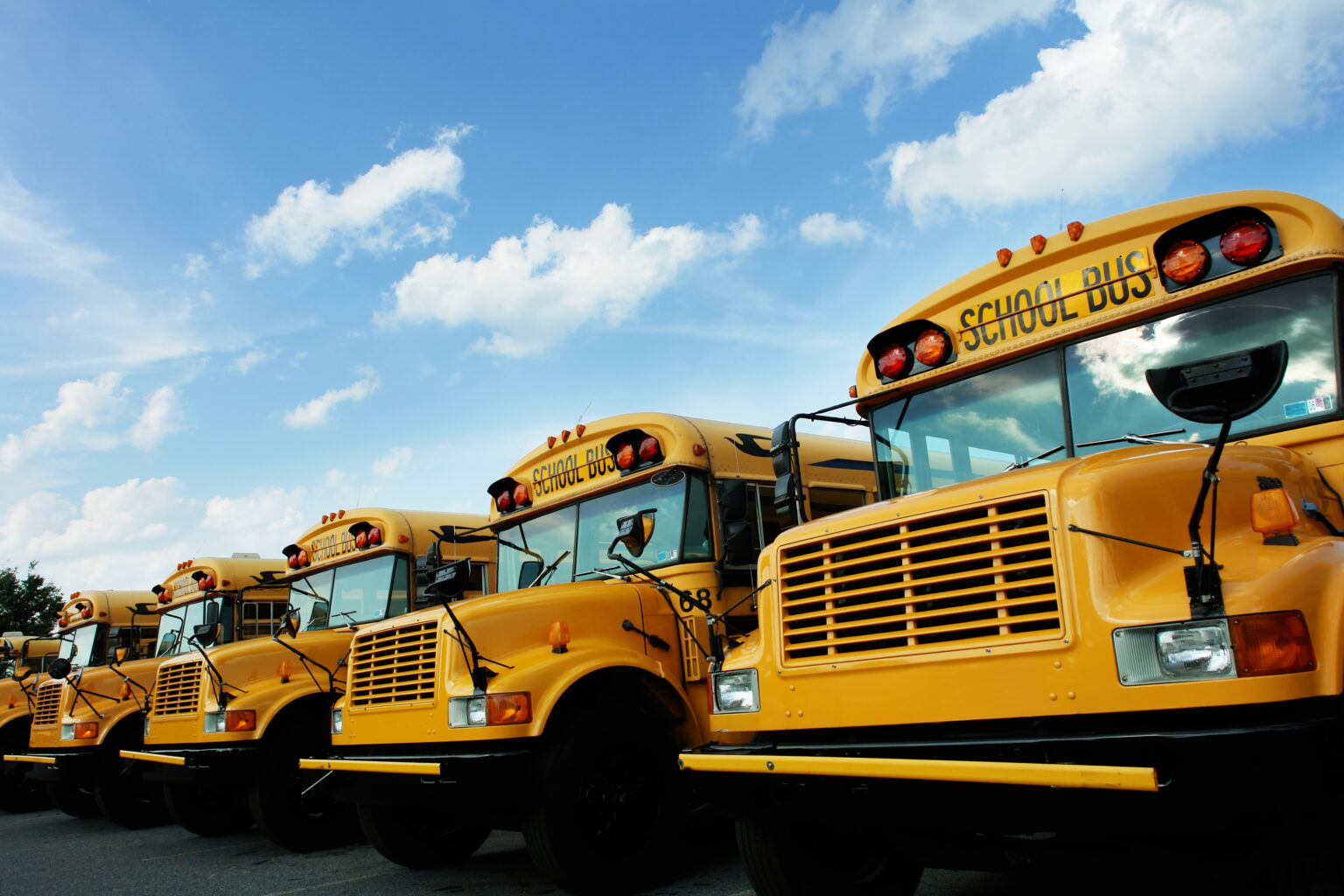
On April 24th, The Environment Protection Agency (EPA) has announced $400 million dollars in funding to incentivize and accelerate the replacement of existing school buses with clean school buses, including propane buses! This is the first grant funding opportunity through the multi-year funding program and follows the 2022 CSB Rebate Program, which was the first round of funding. Under the 2023 Grant Program, the EPA anticipates awarding approximately $400 million in competitive grant funding to eligible applicants for the purchase of zero-emission (ZE) school buses, clean school buses, and ZE charging infrastructure.
Propane buses are eligible for up to $35,000 per bus. While the National Propane Gas Association (NPGA) continues to fight for increased funding, we are glad to see a small but incremental advancement towards parity with electric buses: between 2022 and 2023, propane bus funding rose an average of 19% across categories, electric rose an average of 4.25%, and CNG stayed flat with no increases.
This Notice of Funding Opportunity (NOFO) includes two sub-programs, one for school district and Tribal applicants (School District Sub-program) and one for third-party applicants (Third-Party Sub-program). EPA is providing two separate competitions under this single NOFO to address the unique needs and concerns of diverse recipients and encourage participation in the CSB grants program.
EPA is prioritizing applications that will replace buses serving high-need local education agencies, rural areas, Tribal school districts funded by the Bureau of Indian Affairs and public school districts receiving basic support payments for students living on Tribal land, and rural areas. In addition, EPA is committed to ensuring the CSB Program delivers on the Biden-Harris Administration’s Justice40 Initiative that at least 40% of the benefits of certain federal investments flow to disadvantaged communities.