In today’s rapidly changing energy landscape, choosing the right fuel isn’t just about cost, it’s about resilience, reliability, and long-term operational stability. For fleet owners and managers, fuel decision-making directly impacts uptime, maintenance costs, environmental impact, and even emergency preparedness. That’s why fuel matters, and why autogas stands out as a proven solution for fleet resilience.
1. Fuel Costs & Stability: Predictability Means Resilience
To start, predictable fuel costs are foundational to fleet resilience. Fuel price volatility can undermine fleet planning and budgets, especially during periods of disruption. Because propane is primarily produced in North America, it is less exposed to global market swings than gasoline or diesel. Over 90% of the U.S. propane supply is domestically produced, helping provide greater price stability for fleets.
On average, autogas costs 30% less than gasoline, giving fleets a buffer against sudden fuel cost increases while improving long-term predictability.
2. Resilience During Emergencies
Major natural disasters can disrupt more than just daily operations; they can also affect fuel accessibility. A recent example would be after the wake of Hurricane Helene, access to fuel and power quickly became a challenge across the affected regions. However, propane providers were able to mobilize quickly, supporting emergency response, fuel delivery, and community recovery efforts even when power outages limited access to traditional fueling infrastructure.
This response highlights an important advantage of autogas: fleets can refuel and operate even when conventional infrastructure is compromised.
3.Flexible Infrastructure
So how flexible is autogas infrastructure? Unlike EV charging, autogas fueling does not solely rely on grid power, allowing fleets to refuel before, during, and after power outages.
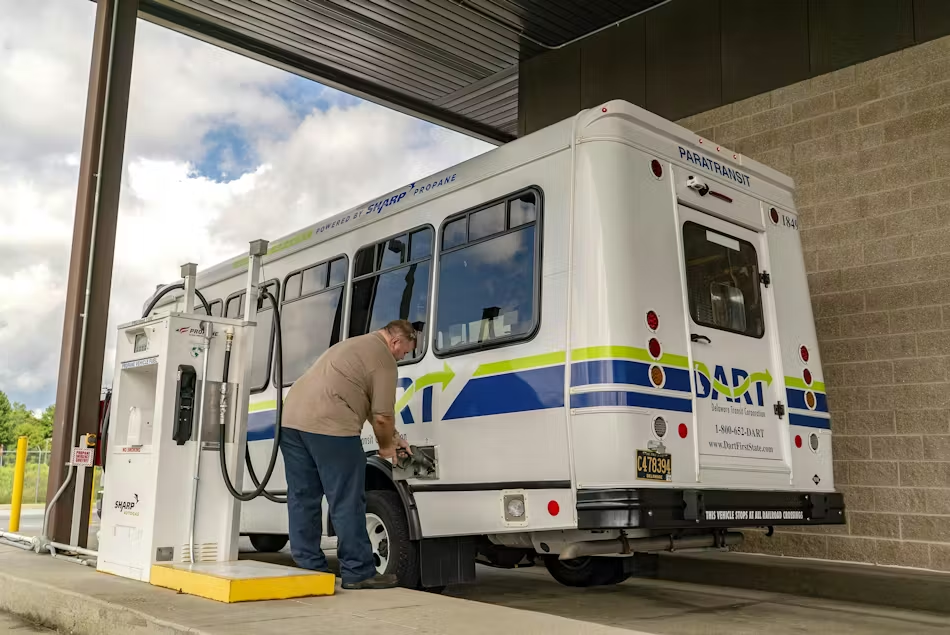
Fleets can implement on-site fueling, rely on mobile fueling solutions, and use propane to support backup generators and temporary power systems. Together, these options reduce dependence on single points of failure and help fleets maintain control during extended outages or emergency conditions.
4. Competitive Environmental Performance
Resilient fleets also need to meet environmental and regulatory expectations. Autogas delivers meaningful emissions benefits while maintaining dependable performance.
Compared with diesel, autogas can reduce nitrogen oxide (NOx) emissions by up to 96%, improving air quality in the communities fleets serve. Cleaner combustion also contributes to reduced engine wear and long-term vehicle reliability.
Conclusion: Fuel Choice Is Strategic
Fuel is no longer just a line item in the budget, it’s a strategic decision that impacts fleet performance, resilience, and long-term planning. Autogas delivers a mix of cost savings, cleaner operation, predictable pricing, and operational flexibility, all of which contribute to more resilient fleet operations.
If your goal is to keep your fleet on the road, under budget, and prepared for whatever the future brings, fuel choice should be a core part of your strategy. And autogas isn’t just fuel, it’s a pathway to smarter, more dependable fleet operations.
autogas
Posted on
Every year, the NAFA Green Fleet Awards shine a spotlight on organizations that are rethinking what sustainable fleet management looks like. From city municipalities to private companies, the awards celebrate fleets that are taking meaningful steps to reduce emissions, operate more efficiently, and leave a lighter footprint on the environment.
This year, we’re proud to share that five Alliance AutoGas customers have earned spots among the Top 50 Green Fleets in North America:
Town of Cary, NC – No. 28
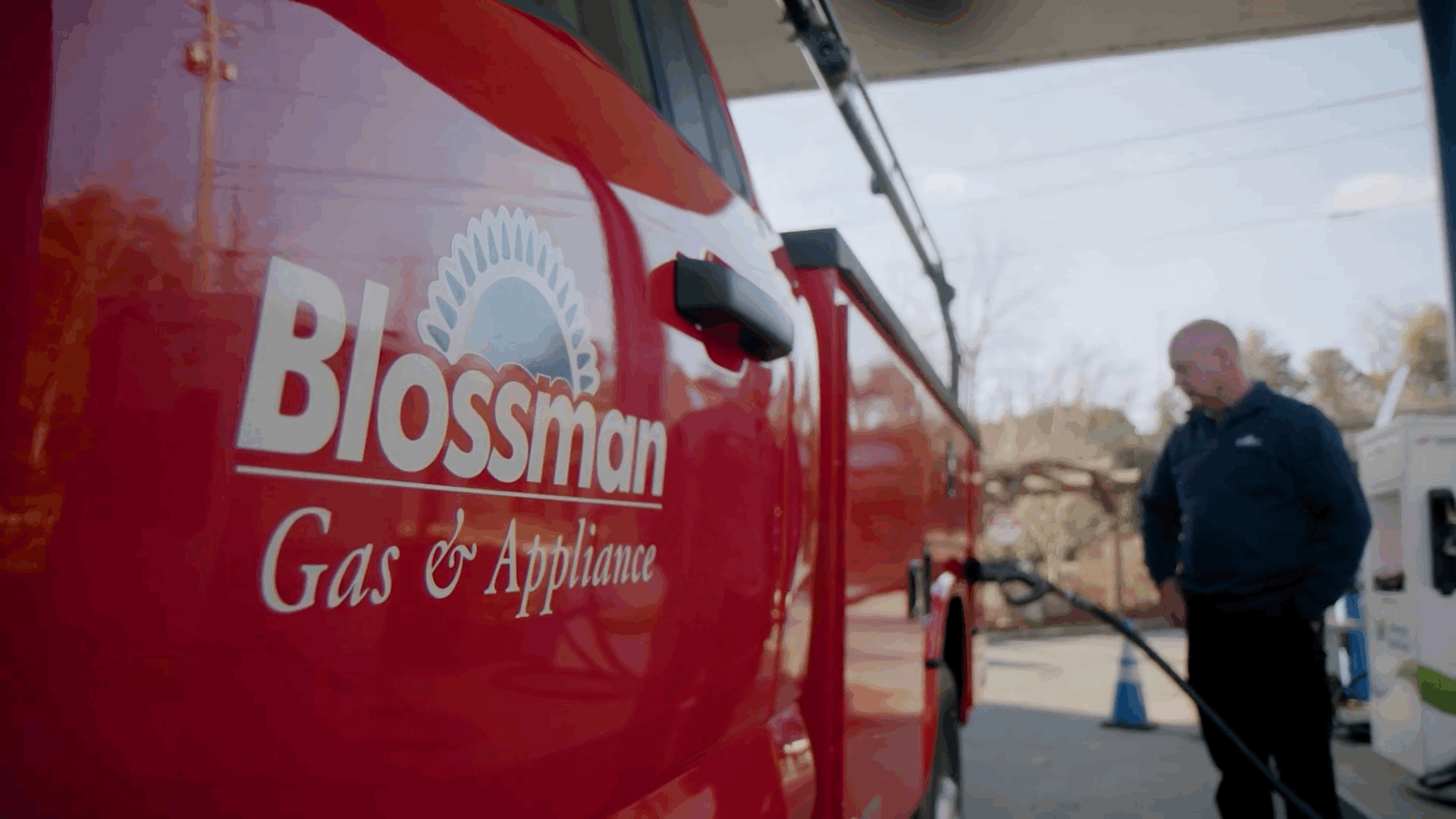
Blossman Gas – No. 29
Chesterfield County Fleet Services, VA – No. 32
City of Roanoke, VA – No. 42
Laketran, OH – No. 43
Each of these organizations has embraced propane autogas as part of their sustainability strategy, demonstrating that cleaner fuels can also deliver reliability, cost savings, and performance that keeps operations running smoothly.
Leadership Through Action
What makes these fleets stand out isn’t just their technology, it’s their follow-through. Whether it’s a transit agency serving a busy metro area, a local government supporting public services, or a private fleet meeting delivery demands, each has made deliberate choices to cut carbon emissions and operate more responsibly.
By integrating propane autogas vehicles into their operations, ranging from service trucks and hybrid vehicles to bobtails and vans, these fleets are proving that sustainable solutions aren’t one-size-fits-all. Instead, they’re adaptable to real-world fleet needs across brands like Ford, Dodge, GM, and Toyota.
Recognition That Reflects Real Results
The Green Fleet Awards are open to both public and private fleets across North America, and the application process takes a deep dive into sustainability metrics, innovation, and community impact. Earning a place on this list means these organizations are setting measurable goals, and meeting them.
For Alliance AutoGas, it’s exciting to see partners recognized nationally for the progress they’re making. Their success illustrates how propane autogas continues to be a smart, scalable way to drive cleaner transportation without compromising on performance or cost.
Driving Toward a Cleaner Future
Congratulations to all five organizations for leading by example and showing how innovation and environmental responsibility can go hand in hand.
Learn more about how fleets across North America are reducing emissions with propane autogas at www.allianceautogas.com.
autogas
Posted on
Are electric vehicles (EVs) the only solution for reducing transportation emissions? As the conversation around sustainable transportation grows, EVs often are the first to come to mind. Yet, their momentum has recently slowed due to challenges like limited charging infrastructure, battery supply concerns, and high costs. These challenges are prompting fleets to explore other cleaner fuel alternatives, and one promising solution is propane autogas, a reliable, cost-effective, and environmentally friendly option offered by Alliance AutoGas.
Transitioning to autogas doesn’t mean investing in a new fleet. Through a bi-fuel conversion system, Alliance AutoGas enables your existing gasoline vehicles to operate on both gasoline and propane. If autogas is not available during a trip, the vehicle can switch to gasoline, providing consistent performance without interruption. To ensure a safe and effective transition to autogas, proper installation is essential. Alliance provides an Environmental Protection Agency (EPA)-certified system to convert your vehicle to run on autogas. Additionally, a nationwide network of certified installation and service centers guarantee expert support every step of the way.
Autogas offers a practical alternative in today’s evolving energy landscape. Approximately 99% of the nation’s autogas is produced in North America, enhancing energy security by lowering reliance on foreign oil and boosting the U.S. economy. Unlike EVs, which are dependent on the electrical grid for charging, autogas provides a reliable and domestically sourced fueling option. Additionally, federal EV incentives have been rolled back in 2025, with funding cuts and the end of key tax credits, further highlighting the need for practical alternatives like autogas.
It’s important to consider total emissions, not just tailpipe emissions, when evaluating fuel options. Total emissions include the energy and resources used to produce energy, which often still rely on fossil fuels. Autogas separates itself by delivering real-world emissions reductions today and substantially lowering harmful pollutants such as carbon monoxide and nitrogen oxide. It also brings several safety and environmental benefits: it’s non-toxic, doesn’t pollute groundwater, and has a lower flammability range than conventional gasoline, making it one of the safest alternative fuels available. Additionally, vehicles running on autogas use fuel tanks made of durable high-strength steel that are 20 times more puncture-resistant compared to gasoline tanks.
Fuel pricing remains a top priority for fleet managers. Propane autogas on average is often priced around 30% below gasoline, offering consistent savings over time. Unlike gasoline and diesel, which are subject to global oil market spikes, autogas prices tend to be steadier, which is largely due to U.S. domestic production. This price stability helps fleets better forecast fuel expenses and maintain stable budget control.
As the push for cleaner transportation continues, fleets need solutions that are both functional and affordable. Propane autogas is a clean, reliable, and cost-effective solution. With lower emissions, steady pricing, and the ability to use existing vehicles, autogas makes it easier for fleets to make a positive change without big disruptions. Alliance AutoGas is here to help you make the switch and start moving toward a cleaner, more efficient future.
autogas
Posted on
Sustainable Fleet Technology Conference – Raleigh, NC, August 14-16 2023
Providers and leaders in fleet technology assembled in Raleigh, NC, to share industry ideas, trends and strategies that improve sustainability of fleet operations.
Stuart Weidie, President and CEO of Alliance AutoGas, had two opportunities to present the significance of using propane autogas for vehicle fleets. With high attendance in both presentations, Advancements in Medium/Heavy-Duty Vehicles and Infrastructure & New Models for Fueling and Charging, Stuart was able to raise awareness of the uses autogas right now and for the future. He discussed the availability of vast vehicle platforms offered, easy deployment of infrastructure, and the approaching availability of renewable propane. Garnering many questions and comments, it was apparent that Stuart sparked the interest of those in attendance.
Michael Naglieri, Fleet Maintenance Manager with Davidson County Transportation, offered one of his vehicles at the conference to represent Alliance AutoGas. The 2019 Chevrolet Silverado 2500 HD, with an AAG bi-fuel system equipped, attracted many attendees to the vehicle. Michael knows and has seen the true results of using propane autogas for a transportation fleet, which truly resonated with others interested in learning more. Michael said his time at the conference was a great opportunity to raise awareness, “Using propane autogas is a solution that other fleet agencies can take advantage of right now. Being able to help the environment and increase fuel savings allows us to do many things we would not be able to do without the use of propane autogas. And working with Alliance AutoGas gives us a peace of mind that we are making a difference”.
The 2023 Green Fleet Awards, presented by The NAFA Fleet Management Association, recognized Alliance AutoGas customer Blossman Gas, Inc. as the #48 fleet in North America. The Green Fleet Awards recognizes peak-performing fleet sustainability efforts and honors fleets who have enhanced practices to make a positive impact on the environment. Blossman Gas, Inc. has implemented green initiatives and sustainability practices as an organization, while continuing to advocate the use of propane autogas as an alternative fuel. Another customer of Alliance AutoGas, Chesterfield County, VA, came in at #27. They were also awarded a special acknowledgement for their fleet as Best Fuel Technology Integration.
autogas
Posted on
About Autogas
Automotive LPG/Auto LPG – is the world’s 3rd most widely used transport fuel and the most accessible alternative transport fuel. LPG emits almost negligible particulates, less CO2, and fewer emissions such as NOx. Driving an LPG vehicle is safe, easy and, in many countries, considerably cheaper than driving a gasoline or diesel model. Over 28 million vehicles globally run on Autogas, consuming over 25 million tonnes of LPG a year. The case for Autogas as a clean, modern, transport fuel becomes even stronger with LPG being sourced from renewables.
Autogas Day
Autogas Day, which is celebrated on November 17th this year, is a dedicated conference that takes place once a year, providing a global platform to discuss the most recent developments in Autogas, from policy trends, to market success stories, to innovation.
It is also an opportunity for the industry to get involved through local activities targeting key stakeholders worldwide. There is a global push towards carbon neutrality and improved air quality, and while there is a consensus on the need to act, the path is not always clear.
Why Autogas
There are immediate benefits in transitioning to LPG as a transport fuel (Autogas). The opportunities for Autogas are part of the ongoing discussions with industry experts, car manufacturers, policy makers and influencers. These include the compelling proposition of lower emissions. When compared to gasoline or diesel, autogas substantially reduces greenhouse gases such as carbon monoxide, carbon dioxide, and nitrogen oxide as well as non-regulated emissions including aromatic hydrocarbons, benzene, and sulfur dioxide. Converting your vehicles to autogas means your fleet will be green.
On April 24th, The Environment Protection Agency (EPA) has announced $400 million dollars in funding to incentivize and accelerate the replacement of existing school buses with clean school buses, including propane buses! This is the first grant funding opportunity through the multi-year funding program and follows the 2022 CSB Rebate Program, which was the first round of funding. Under the 2023 Grant Program, the EPA anticipates awarding approximately $400 million in competitive grant funding to eligible applicants for the purchase of zero-emission (ZE) school buses, clean school buses, and ZE charging infrastructure.
Propane buses are eligible for up to $35,000 per bus. While the National Propane Gas Association (NPGA) continues to fight for increased funding, we are glad to see a small but incremental advancement towards parity with electric buses: between 2022 and 2023, propane bus funding rose an average of 19% across categories, electric rose an average of 4.25%, and CNG stayed flat with no increases.
This Notice of Funding Opportunity (NOFO) includes two sub-programs, one for school district and Tribal applicants (School District Sub-program) and one for third-party applicants (Third-Party Sub-program). EPA is providing two separate competitions under this single NOFO to address the unique needs and concerns of diverse recipients and encourage participation in the CSB grants program.
EPA is prioritizing applications that will replace buses serving high-need local education agencies, rural areas, Tribal school districts funded by the Bureau of Indian Affairs and public school districts receiving basic support payments for students living on Tribal land, and rural areas. In addition, EPA is committed to ensuring the CSB Program delivers on the Biden-Harris Administration’s Justice40 Initiative that at least 40% of the benefits of certain federal investments flow to disadvantaged communities.